
Introduction: The Silent Struggle
You wake up determined. You eat a healthy breakfast. You skip the office cake. You go for a walk after dinner. You do everything “right.” And yet, when you step on the scale at the end of the week, nothing has changed. Or worse, the number has gone up.
This scenario plays out in millions of homes every single day. The weight loss industry is worth billions, yet obesity rates continue to rise. Something is clearly broken.
The problem is not a lack of willpower. It is not laziness. It is not that you are not trying hard enough. The real issue is that most weight loss advice is outdated, oversimplified, or designed to sell products rather than deliver results.
Modern weight management is a complex challenge that involves biology, psychology, environment, and behaviour. Understanding why you struggle is the first step toward finally finding a solution that works – not for six weeks, but for life.
In this article, we will explore the real reasons people struggle with weight loss, the science of metabolism and appetite, and practical strategies for sustainable change. And only after building that foundation will we look at how some people choose to incorporate additional support tools like BMI MD into their journey.

Why Weight Loss Is Difficult for Many People
Let us start with a hard truth: your body does not want to lose weight. From an evolutionary perspective, weight loss was a sign of danger – famine, illness, or food scarcity. Over thousands of generations, the human body developed sophisticated defence systems to prevent weight loss and promote weight regain.
When you reduce your calorie intake, your body responds as if you are starving. Here is what happens behind the scenes:
- Hunger hormones surge. Ghrelin, the primary hunger hormone, increases by up to 20–30%. You feel hungrier than before you started dieting.
- Fullness hormones drop. Peptide YY and leptin, which signal satiety, decrease. You feel less satisfied after meals.
- Metabolism slows. Your thyroid hormone production decreases, lowering your resting metabolic rate by 10–15% or more.
- Muscle loss occurs. If you are not eating enough protein or doing resistance training, your body breaks down muscle for energy. Muscle burns calories even at rest, so losing it further reduces your metabolic rate.
- The brain changes. Brain imaging studies show that after weight loss, regions responsible for food reward become more active when viewing high-calorie foods. Your brain literally starts craving more.
These adaptations can last for years. One landmark study followed contestants from the television show “The Biggest Loser” and found that even six years after the competition, their metabolisms remained significantly slowed. Most had regained the weight, but they were burning hundreds of fewer calories per day than people of the same size who had never dieted.
This is not a personal failure. It is biology.
Beyond these internal mechanisms, modern life creates additional barriers. Processed foods are scientifically engineered to be hyper-palatable – combining sugar, fat, and salt in ways that override natural satiety signals. Portion sizes have ballooned. Physical activity has been engineered out of daily life. Stress is chronic. Sleep is often poor.
When you combine a biology designed to hold onto fat with an environment designed to encourage overeating and inactivity, the result is predictable. Most people will struggle.
Common Weight Loss Mistakes
Given how difficult weight management is, it is no surprise that many people fall into common traps. Recognising these patterns can help you avoid them.
Mistake 1: Drastic Calorie Cutting
Eating 800 or 1,000 calories per day might produce rapid initial weight loss, but most of that loss comes from water and muscle. The metabolic slowdown that follows makes long-term success nearly impossible. Very low-calorie diets should only be used under medical supervision for specific situations.
Mistake 2: Overemphasising Cardio
Many people believe that hours of running or cycling are the answer. While cardiovascular exercise is excellent for heart health, it is not the most efficient tool for weight loss. Your body adapts to repeated cardio by becoming more efficient – meaning you burn fewer calories for the same workout over time. Strength training, which builds muscle, has a greater impact on resting metabolic rate.
Mistake 3: Ignoring Sleep and Stress
Sleep deprivation raises ghrelin and lowers leptin. Even one night of poor sleep can increase next-day hunger by 20%. Chronic stress elevates cortisol, which promotes abdominal fat storage and increases cravings for sugary, fatty foods. You cannot out-exercise or out-diet poor sleep and high stress.
Mistake 4: Chasing Quick Fixes
Detox teas, fat-burning pills, and extreme cleanses promise rapid results. Almost none deliver sustainable outcomes. Most cause water loss or temporary bowel changes. Some are dangerous. Sustainable healthy weight loss is slow – typically 0.5 to 1 kilogram per week.
Mistake 5: Eliminating Entire Food Groups
Unless you have a diagnosed allergy or intolerance, cutting out entire food groups (like all carbohydrates or all fats) is rarely necessary and often counterproductive. You miss out on essential nutrients, and the restriction often leads to bingeing.
Mistake 6: Not Eating Enough Protein
Protein is the most important macronutrient for weight management. It increases satiety, preserves muscle during calorie restriction, and has the highest thermic effect of food (20–30% of calories from protein are burned during digestion). Many people undereat protein, especially at breakfast.
The Science of Metabolism
Metabolism is one of the most misunderstood topics in weight management. Let us clarify what it actually means.
Your metabolism is not a single switch. It is the sum of all chemical reactions in your body that keep you alive. When people talk about a “fast” or “slow” metabolism, they are usually referring to their basal metabolic rate (BMR) – the number of calories your body burns at complete rest just to maintain basic functions like breathing, circulation, and cell repair.
BMR accounts for 60–75% of your daily calorie burn. It is influenced by:
- Muscle mass – Muscle is metabolically active. Every kilogram of muscle burns about 13 calories per day at rest, compared to 4–5 calories for fat.
- Age – BMR declines by about 1–2% per decade after age 20, largely due to muscle loss.
- Sex – Men typically have higher BMR than women because they have more muscle mass on average.
- Genetics – Some people are genetically predisposed to a higher or lower BMR.
- Hormones – Thyroid hormones, insulin, and cortisol all affect metabolic rate.
The other components of daily calorie burn are the thermic effect of food (TEF) – about 10% of calories burned through digestion – and physical activity, which includes both exercise and non-exercise movement (like fidgeting, standing, walking to the car).
One of the most frustrating phenomena for dieters is metabolic adaptation – the drop in BMR that exceeds what can be explained by weight loss alone. For example, if you lose 10 kilograms, your BMR should drop by a predictable amount because you have less body mass to maintain. However, research shows it often drops 15–20% more than expected. This “adaptive thermogenesis” is your body fighting to regain the lost weight.
This explains why someone who has lost weight needs to eat significantly fewer calories than someone of the same weight who has never dieted. It also explains why sustainable weight loss is so much harder than initial weight loss.
Sustainable Weight Management Strategies
Given all these challenges, what actually works? The answer is not a single diet or pill. It is a combination of evidence-based lifestyle habits that work with your biology rather than against it.
1. Prioritise Protein at Every Meal
Protein is your best friend for weight management. It increases satiety more than carbohydrates or fat. It preserves muscle mass during calorie restriction. And it has a high thermic effect – about 20–30% of protein calories are burned during digestion.
Aim for 20–40 grams of protein per meal. Good sources include eggs, Greek yoghurt, cottage cheese, chicken, turkey, fish, lean beef, tofu, tempeh, edamame, lentils, chickpeas, and protein powder if needed.
2. Eat More Fibre
Fibre slows digestion, stabilises blood sugar, and promotes fullness. It also feeds beneficial gut bacteria, which may influence weight regulation through multiple pathways.
Vegetables, fruits, whole grains, beans, lentils, nuts, and seeds are excellent sources. A practical goal: fill half your plate with non-starchy vegetables at lunch and dinner.
3. Strength Train Consistently
Muscle is your metabolic insurance. The more muscle you have, the higher your resting calorie burn. You do not need to become a bodybuilder. Two to three strength training sessions per week – using bodyweight exercises, resistance bands, dumbbells, or gym machines – can make a significant difference over time.
Focus on compound movements like squats, push-ups, rows, and lunges that work multiple muscle groups at once.
4. Prioritise Sleep and Manage Stress
Sleep and stress are often the missing pieces in weight management plans. Adults should aim for seven to nine hours of quality sleep per night. Create a consistent bedtime routine, limit screen time before bed, and keep your bedroom cool and dark.
For stress, find activities that genuinely help you unwind. This could be walking outdoors, meditation, deep breathing, journaling, yoga, or simply setting boundaries around work and technology.
5. Stay Hydrated
Water is essential for every metabolic process. Drinking 500ml of water before meals has been shown to modestly reduce calorie intake. Replace sugary drinks – soda, sweetened coffee, fruit juice, energy drinks – with water, sparkling water, or unsweetened tea. Liquid calories are a major source of hidden energy intake.
6. Move Throughout the Day
Structured exercise is important, but non-exercise activity thermogenesis (NEAT) – the calories you burn from everyday movements like walking, standing, climbing stairs, and even fidgeting – can be a powerful tool. Look for small opportunities to move more: take the stairs, park farther away, stand during phone calls, do light housework.
7. Practice Mindful Eating
Many people eat while distracted – watching television, scrolling through phones, working at desks. This leads to overeating because your brain does not register fullness signals. Try eating without distractions, chewing slowly, and paying attention to hunger and fullness cues.
What Is BMI MD?
After establishing the importance of lifestyle fundamentals – nutrition, exercise, sleep, hydration, and stress management – some individuals find that they still need additional support. This is where targeted tools can play a role.
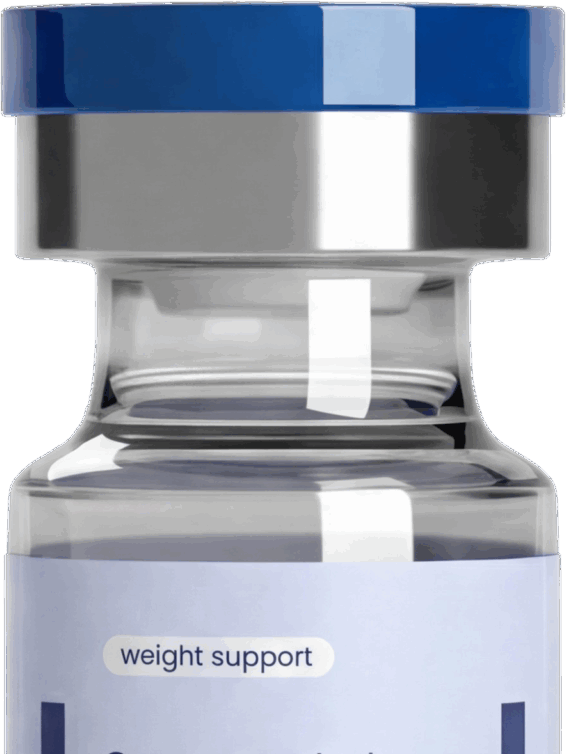
BMI MD is a weight management supplement designed for adults who are already committed to healthy habits but want extra help with appetite control and metabolism support. It is not a replacement for diet and exercise. It is not a miracle cure. It is a complementary product that may make your existing efforts slightly more effective.
BMI MD comes in capsule form and contains a blend of natural ingredients commonly studied in the context of metabolic health. These typically include plant extracts, minerals, and other compounds thought to influence thermogenesis (heat production) and appetite regulation.
It is important to understand that BMI MD is a dietary supplement, not a prescription medication. Supplements are regulated differently than drugs. They do not require FDA approval before being sold, which means quality and potency can vary between brands. Reputable manufacturers conduct third-party testing to verify purity and ingredient levels.
How BMI MD Works
According to available information, BMI MD weight loss support is based on three primary mechanisms:
Thermogenic Support
Some ingredients in BMI MD are believed to slightly increase body temperature, which may raise energy expenditure. The effect is modest – research suggests thermogenic supplements typically increase calorie burn by 50 to 150 calories per day. That is not enough to cause dramatic weight loss on its own, but it can add up over time when combined with a calorie-controlled diet.
Appetite Modulation
Certain plant extracts, such as green tea extract or Garcinia cambogia, have been studied for their potential to reduce hunger signals or increase feelings of fullness. BMI MD aims to help users feel less tempted to snack between meals, making it easier to stick to their nutrition plan.
Energy Support
One common reason people abandon weight loss efforts is fatigue. Reducing calories naturally lowers energy levels for many people. BMI MD includes ingredients that may provide a gentle, sustained energy lift – often from natural sources like green tea or coffee extract – without the jitters or crashes associated with high-stimulant products.
None of these mechanisms defy the laws of thermodynamics. BMI MD does not cause your body to burn fat while you rest. It may, however, help you adhere to your diet more consistently by reducing hunger and supporting energy levels.
Potential Benefits of BMI MD
Based on user feedback and ingredient research, here are potential benefits that some people report. Keep in mind that individual results vary significantly.
- Reduced between-meal hunger – Many users note that they feel less compelled to snack, which naturally reduces calorie intake.
- Mild increase in daily energy expenditure – The thermogenic effect, while modest, may contribute to a more favourable calorie balance over weeks and months.
- Improved energy stability – Unlike sugary snacks or energy drinks, the ingredients in BMI MD may provide more consistent energy without crashes.
- Support during plateaus – Some people find that adding BMI MD helps them break through weight loss plateaus where diet and exercise alone have stopped working.
However, a balanced BMI MD review must also acknowledge limitations. Not everyone experiences these benefits. Some users report no noticeable difference. Others may experience mild side effects such as nausea, digestive discomfort, or sleep disturbances (if taken too late in the day).
Who Might Consider BMI MD?
BMI MD is not for everyone. It is best suited for adults who:
- Have already established consistent healthy eating habits for at least three months
- Engage in regular physical activity (both cardio and strength training)
- Prioritise sleep and manage stress reasonably well
- Are still struggling to lose weight or have hit a frustrating plateau
- Are looking for mild, natural support for appetite and metabolism
- Have no medical conditions that would make thermogenic or stimulant ingredients unsafe
BMI MD is not appropriate for:
- Pregnant or breastfeeding women
- Individuals under 18 years of age
- People with heart conditions, uncontrolled high blood pressure, anxiety disorders, or thyroid disorders (unless cleared by a doctor)
- Anyone taking medications that may interact with stimulants or herbal extracts
If you have any underlying medical condition or take prescription medications, always consult your healthcare provider before starting any weight loss supplements.
Pros and Cons
Potential Advantages
- May provide mild appetite suppression, making calorie control easier
- Could offer a small metabolic boost through thermogenesis
- Contains natural ingredients with some research backing
- Can be used alongside a healthy diet and exercise routine
- Convenient capsule form
- May help break through weight loss plateaus
Potential Drawbacks
- Effects are modest and not guaranteed for everyone
- Not a substitute for proper nutrition, exercise, sleep, or stress management
- May cause side effects in sensitive individuals (jitters, nausea, headaches, sleep disruption)
- Supplement industry is less regulated than pharmaceuticals
- Results vary significantly based on genetics, starting weight, and lifestyle
- Long-term safety data is often limited for supplement blends
- Should not be used as a long-term crutch without addressing underlying habits
The most important takeaway is that BMI MD is a helper, not a hero. It works best when your foundation is already solid. If you are eating processed food, skipping exercise, sleeping poorly, and stressed constantly, no supplement will fix that.
Final Thoughts
Weight management in the modern world is genuinely hard – far harder than most people acknowledge. Between an evolutionary biology that defends fat stores, an environment filled with hyper-palatable processed foods, and lifestyles that minimise movement and maximise stress, it is no wonder so many people struggle.
The good news is that we now understand more than ever about what actually works for sustainable weight loss. The fundamentals are clear: prioritise protein and fibre, strength train consistently, sleep well, manage stress, stay hydrated, and move throughout the day. These strategies are free, accessible, and evidence-based.
For people who have already built that foundation – who are eating well, exercising regularly, sleeping sufficiently, and managing stress – yet still find themselves stuck, additional tools can play a role. BMI MD is one such option. It is not a magic pill. It is not a replacement for hard work. But for some individuals, it may provide just enough metabolic and appetite support to turn a plateau into progress.
Before trying any supplement, do your research. Read multiple BMI MD review sources. Look for third-party testing. Speak with a healthcare professional. And most importantly, never lose sight of the fact that supplements are the smallest piece of the puzzle.
If you are tired of yo-yo dieting and ready for a realistic, science-based approach, start with the fundamentals. Build your habits one at a time. Be patient with your body – it took years to gain the weight, and it may take years to lose it sustainably. Celebrate non-scale victories like better energy, improved mood, and stronger muscles.
And if you choose to explore BMI MD, use it as a small tool in a much larger toolkit – not as a shortcut. Your body deserves respect, not punishment. Sustainable weight loss is not about perfection. It is about progress, one small habit at a time.