Women today juggle multiple responsibilities—from work deadlines to family commitments—making stress and anxiety a common concern. Chronic stress not only affects mental health but can also impact physical well-being, sleep patterns, and hormonal balance.
Fortunately, there are practical techniques women can incorporate daily to manage stress, boost emotional resilience, and maintain overall wellness. This guide outlines the top 10 anxiety and stress relief techniques for women that are easy, effective, and science-backed.
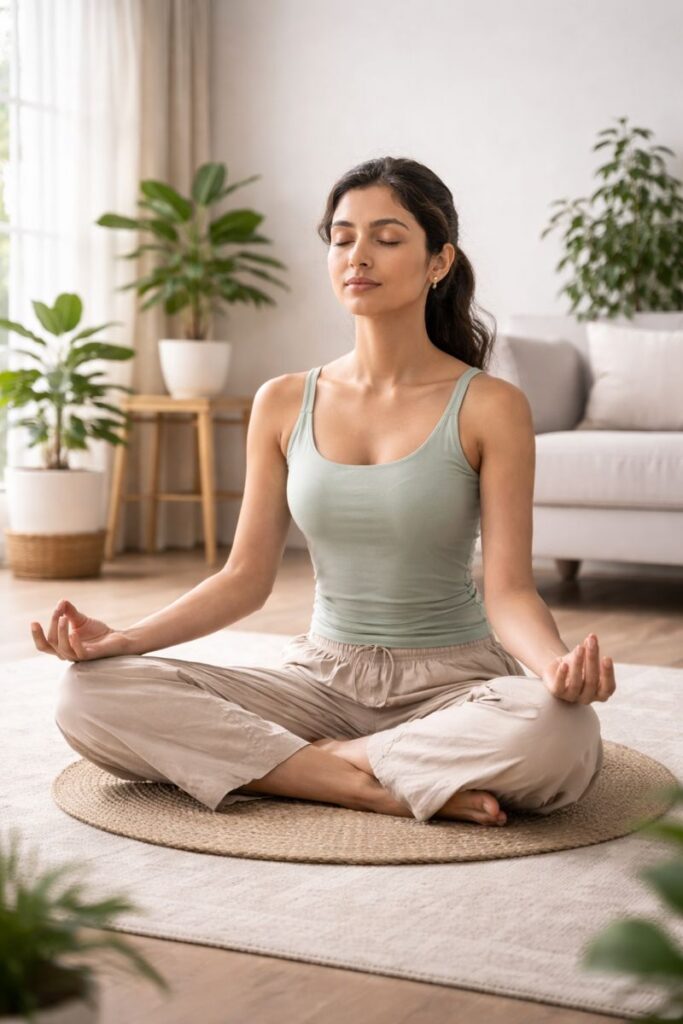
1. Practice Mindful Meditation
Mindful meditation is a simple yet powerful technique to reduce anxiety. By focusing on the present moment and observing your thoughts without judgment, you can calm your mind and reduce stress hormones.
How to practice:
- Sit in a quiet space
- Close your eyes and focus on your breath
- Notice your thoughts and gently return to your breathing
Tip: Start with 5–10 minutes daily, and gradually increase the duration.
Why it works: Meditation lowers cortisol levels and improves emotional regulation, which helps women handle daily stress more effectively.
2. Engage in Regular Exercise
Physical activity is one of the most effective ways to relieve stress. Exercise releases endorphins—natural mood boosters that help fight anxiety and depression.
Recommended activities:
- Yoga or Pilates
- Brisk walking or jogging
- Dancing or Zumba
- Strength training
Transition: Moreover, combining exercise with outdoor exposure can enhance the benefits, as sunlight increases vitamin D levels, which further supports mental health.

3. Maintain a Healthy Diet
Nutrition plays a critical role in managing anxiety. Certain foods can stabilize blood sugar, reduce inflammation, and improve mood.
Foods to include:
- Leafy greens and vegetables
- Omega-3 rich fish like salmon
- Nuts, seeds, and whole grains
- Yogurt and fermented foods
Avoid: Excess sugar, caffeine, and processed foods, which may worsen anxiety.
For example, starting the day with a protein-rich breakfast can stabilize energy levels and prevent mood swings.
4. Practice Deep Breathing Exercises
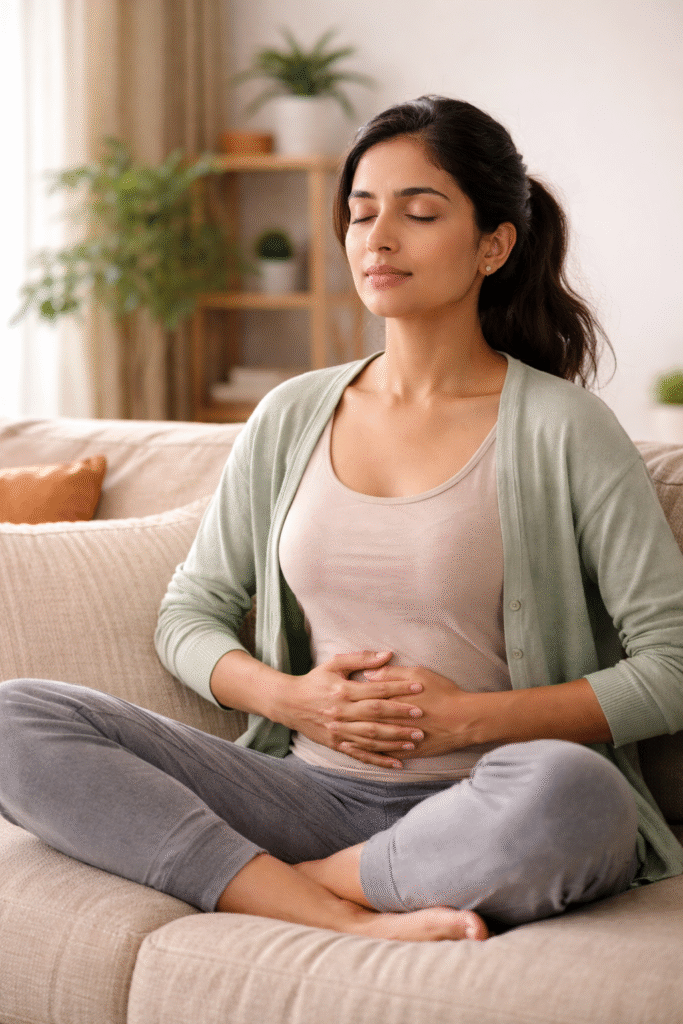
Breathing exercises are an easy and immediate stress-relief method. They help regulate the nervous system, lower heart rate, and calm racing thoughts.
Simple exercise:
- Inhale deeply through your nose for 4 seconds
- Hold your breath for 4 seconds
- Exhale slowly through your mouth for 6 seconds
- Repeat 5–10 times
In addition, pairing breathing exercises with meditation or stretching enhances relaxation.
5. Journaling and Expressive Writing
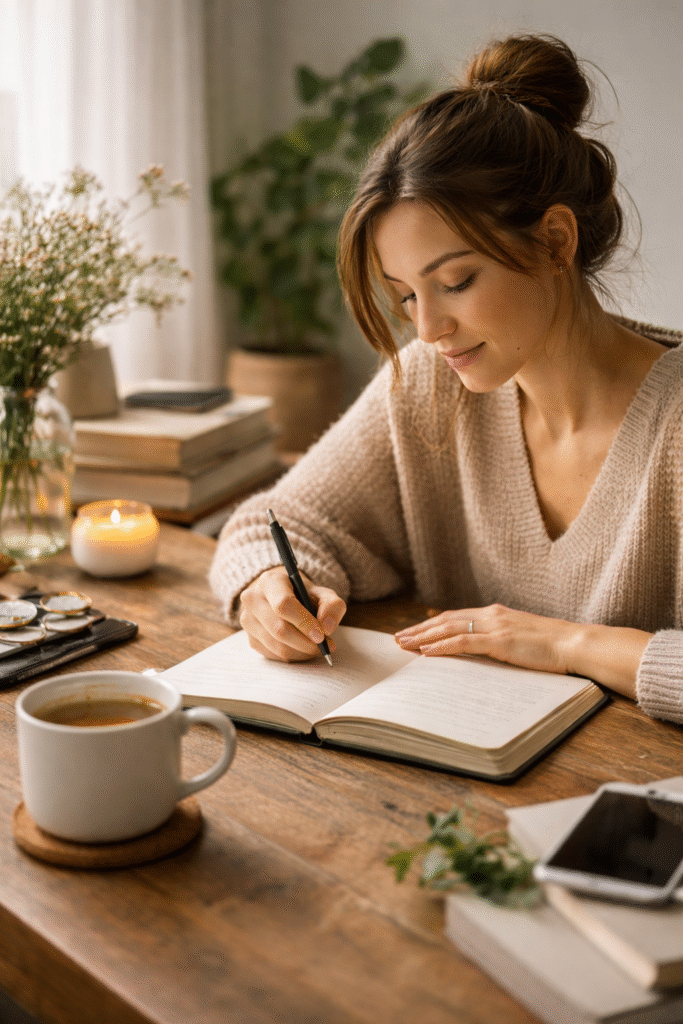
Writing down thoughts and feelings can provide emotional relief. Journaling helps women process stressors, reflect on emotions, and track patterns that trigger anxiety.
How to start:
- Dedicate 10 minutes daily to write freely
- Focus on thoughts, emotions, and gratitude
- Identify solutions for recurring stress triggers
Transition: Furthermore, journaling can boost mindfulness and self-awareness, which are essential for emotional resilience.
6. Prioritize Sleep
Poor sleep increases stress and anxiety, while quality rest helps regulate mood and cognitive function. Women are especially sensitive to hormonal fluctuations that can affect sleep quality.
Tips for better sleep:
- Maintain a consistent sleep schedule
- Avoid screens at least 1 hour before bedtime
- Create a relaxing bedtime routine
- Keep your bedroom dark and cool
Therefore, prioritising sleep is a foundational stress-relief strategy that improves mental and physical health.
7. Limit Social Media and Digital Overload
While technology keeps us connected, excessive social media use can increase stress, comparison, and negative self-perception.
Practical tips:
- Set daily screen-time limits
- Avoid checking work emails after hours
- Take breaks from social media for a day or weekend
For example, a short digital detox on Sundays can help women recharge mentally and emotionally.
8. Connect with Supportive People
Social support is a key factor in stress management. Talking to trusted friends, family members, or support groups can reduce anxiety and provide perspective.
Ways to connect:
- Schedule weekly calls with a friend
- Join online communities for women’s mental health
- Participate in group activities or workshops
In addition, professional counseling or therapy can be highly effective, especially for chronic stress or anxiety.
9. Practice Gratitude and Positive Thinking
Shifting focus to positive aspects of life can reduce stress and improve emotional resilience.
How to practice:
- Keep a daily gratitude journal
- List three things you are thankful for each day
- Replace negative thoughts with positive affirmations
Transition: Moreover, cultivating gratitude has been linked to lower cortisol levels and better sleep quality.
10. Incorporate Relaxation Techniques
Finally, relaxation practices such as aromatherapy, warm baths, or listening to calming music can provide quick stress relief.
Examples:
- Essential oils like lavender or chamomile
- Guided relaxation or nature sounds
- Progressive muscle relaxation exercises
Therefore, integrating these techniques into your daily routine can create small moments of calm, which accumulate into long-term stress reduction.
Also Read About- Beauty Tips for Women: Your Complete Guide to Looking Fresh, Healthy & Confident
Conclusion
Managing anxiety and stress requires a holistic approach that combines physical activity, mindful practices, proper nutrition, and social support.
- Start with 1–2 techniques that suit your lifestyle
- Gradually build a daily routine incorporating multiple strategies
- Track progress and note improvements in mood, energy, and focus
Remember: Consistency is key. Stress relief is a journey, not a one-time fix. Small, regular practices can significantly improve emotional well-being over time