Hair loss hits differently when it’s happening to you. One day you’re styling your hair the same way you always have, and the next day the mirror starts asking uncomfortable questions. More men than ever are dealing with thinning hair, receding hairlines, and unexpected shedding. With so much advice online, it’s hard to know what’s real and what’s just marketing.
As a health and grooming expert who has worked with men at every stage of hair loss, I can say this with confidence: hair loss is common, manageable, and often misunderstood. The key isn’t chasing quick fixes. It’s understanding what actually works, what helps only a little, and what fits your body, lifestyle, and expectations.
Let’s break it down clearly and honestly.
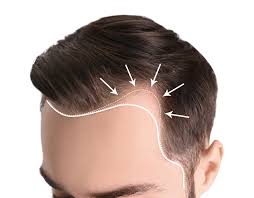
Why Men Lose Hair: The Real Reasons
Hair loss rarely has a single cause. It’s usually the result of multiple factors working together over time.
Genetics play the biggest role. Male pattern baldness runs in families and affects how sensitive your hair follicles are to hormones.
Hormones, especially DHT (dihydrotestosterone), are closely linked to hair thinning. DHT gradually shrinks hair follicles, causing hair to grow thinner and weaker until growth stops.
Stress is another major factor. Long-term stress can push hair into a resting phase, leading to noticeable shedding weeks or months later.
Lifestyle habits matter more than most men think. Poor sleep, smoking, excessive alcohol, and lack of physical activity reduce blood flow and disrupt hormone balance.
Nutrition also plays a role. Low levels of protein, iron, zinc, vitamin D, and B vitamins can weaken hair and slow growth.
Understanding these causes helps you choose smarter solutions instead of jumping from product to product.
Also read about – Brazilian Wood Men’s Health Supplement Review
Natural Hair Regrowth Remedies: What Helps and What Doesn’t
Natural remedies are popular because they feel safer and more affordable. While they won’t reverse advanced baldness, they can improve scalp health and slow early-stage hair loss.
Oils and Topical Treatments
Natural oils like rosemary, castor, coconut, and peppermint are commonly used to support hair health. Rosemary oil, in particular, is known for improving blood circulation to the scalp.
Benefits include:
- Healthier scalp
- Reduced breakage
- Stronger existing hair
However, oils do not block DHT. They help maintain hair but won’t regrow hair on completely bald areas.
Diet and Nutrition
Hair is built from protein, so what you eat directly affects its strength. A balanced diet with enough protein, healthy fats, and micronutrients supports better hair growth.
Key nutrients include:
- Protein from eggs, fish, and legumes
- Omega-3 fatty acids
- Zinc and iron
- Biotin and vitamin D
Supplements can help correct deficiencies but won’t overcome genetic hair loss on their own.
Scalp Massage
Daily scalp massage improves blood flow and may help slow thinning. It’s simple, free, and worth doing. Consistency matters more than pressure.
Herbal Remedies
Saw palmetto is often used for its mild DHT-blocking properties. Green tea and ginseng are also popular for scalp health. Results are usually subtle and slow, but some men find them helpful as part of a routine.
Lifestyle Changes
Better sleep, stress management, regular exercise, and quitting smoking improve circulation and hormone balance. These changes won’t regrow lost hair, but they help protect what you still have.
Honest takeaway: Natural remedies are best for prevention and early thinning. They support hair health, not miracles
Learn more – Berlin Protocol Review: Key Facts Men and Women Should Know
Proven Medical Treatments That Actually Work
Medical treatments are backed by research and real-world use. They offer stronger results, but they require commitment and realistic expectations.
Minoxidil
Minoxidil is a topical solution or foam applied directly to the scalp. It works by improving blood flow and extending the hair growth phase.
Effectiveness:
Best for crown thinning and early-stage hair loss.
Possible side effects:
Mild irritation or temporary shedding at the start.
Best suited for:
Men with thinning hair who still have active follicles.
Finasteride
Finasteride is an oral medication that reduces DHT levels in the body.
Effectiveness:
Highly effective at slowing or stopping genetic hair loss.
Possible side effects:
A small percentage of men experience sexual side effects, which usually reverse after stopping the medication.
Best suited for:
Men with ongoing genetic hair loss who want long-term control.
Hair Transplant
Modern hair transplants offer natural-looking results when performed by skilled specialists. Hair is moved from denser areas to thinning or bald regions.
Effectiveness:
Permanent results when hair loss is stable.
Considerations:
High cost, recovery time, and surgical risks.
Best suited for:
Men with established hair loss and realistic expectations.
PRP Therapy
PRP therapy uses your own blood platelets to stimulate hair follicles.
Effectiveness:
Improves thickness and slows hair loss, especially when combined with other treatments.
Considerations:
Results vary and require multiple sessions.
Best suited for:
Men looking for a non-surgical boost.
Natural Remedies vs Medical Treatments: A Clear Comparison
Results:
Medical treatments deliver stronger and faster results. Natural remedies focus on support and maintenance.
Safety:
Natural methods have fewer side effects. Medical treatments require proper use and monitoring.
Cost:
Natural options are cheaper long-term. Medical treatments cost more but offer visible improvement.
Time:
Natural methods require patience with subtle changes. Medical treatments show clearer results within months.
What Works Best Overall
Men who see the best results usually combine approaches. A healthy diet, scalp care, stress control, and a proven medical treatment often work better together than alone.
Starting early matters. Consistency matters even more.
How to Choose the Right Option
If hair loss is mild, focus on prevention and maintenance.
If thinning is noticeable, combining medical and natural support makes sense.
If hair loss is advanced, consider professional treatments after stabilizing further loss.
Be realistic. No treatment recreates teenage hair density, but many can preserve and improve what you have.
Read more – Nitric Drive Review: Supporting Blood Flow, Energy, and Everyday Performance Naturally
Conclusion
Hair regrowth isn’t about chasing trends. It’s about understanding your hair, your genetics, and your goals. Men today have more options than ever, but the fundamentals remain the same.
Choose evidence over hype. Stay consistent. And remember, confidence comes from taking control of your health and appearance, not from perfection.
That mindset makes the biggest difference of all.